The English version follow after the Japanese.
どうも、はじめまして。恭介です。
今はまだこの「barua.jp」のことは知り合いにしか教えていないんですが、そのうち会ったこともない人が覗きに来てくれることを信じて、あまりにも長い自己紹介をしておきます。本当に長いよ。途中で嫌になっちゃうかも。覚悟して読んでね。
私は今、オーストラリアのゴールドコーストの近くで介護士として働きながら、大学院でソーシャルワーカーになるための勉強をしています。
オーストラリアは今年で3年目(2026年3月現在)なんですが、最初からそれを見越していたわけではなく、本当は1年で帰国する予定でした。それが、2年、3年と、ずるずると今に至っています。過去2年間は南オーストラリア州のアデレードでワーキングホリデーをしていました。チェーンの回転寿司屋さんで働いたり、羊肉工場や鶏肉工場で働いたり、ローカルカフェで働いたり、どちらかというとワーキングワーキングな毎日でしたが、休みの日は教会のコミュニティに参加したり、仕事仲間とプチ旅行したり、バドミントンしたり、とても充実してました。2年目の後半で学生ビザへの切り替えを考え始め、週24時間の就労制限があっても安定した時給のいい仕事につけるように3ヶ月のコースに通って介護士の資格を取りました。その時はまだ日本の大学院を休学していましたが、オーストラリアの大学院に入学できることが決まった時点で、日本の大学院は退学しました。
この日本の大学院が、オーストラリアに来るきっかけでした。アフリカの研究をしていて、ケニアの少数民族の調査をしていたんですが、それがなかなかうまくいかず、プレッシャーと病気に倒れ、少し距離を置こうと決めて、特に何の準備もしないまま、心の療養のためにオーストラリア渡航を決めたわけです。
小学校3年生から中学校3年生まで7年くらいタイに住んでいて、インターナショナルスクールに通っていたので英語に関しては特に不安はなかったです。ただタイに住んでた時は最初の2年間英語が一切喋れず泣き通しで、やっと3年目から少しずつ喋れるようになったので最初からベラベラだったわけではないですけどね。あの時の辛い思いが、今やっと報われている感覚です。オーストラリアの大学院に入るためにもIELTS Academicで各セクション7.0以上必要だったので、それはかなり集中して勉強したし、介護士として働く上でもまだまだ英語は勉強しないといけないな、と思う日々です。
さて、高校でタイから日本に帰ってきた私は、自分の名前すら漢字で書けないレベルの日本語力だったので、毎日13時間塾に通って空白の7年間の日本の教育課程を1年で詰め込み、なんとか高校受験にパスしました。でもそんな付け焼き刃が通用するわけもなく、当時獣医を目指して無理に理系の高校に進学したこともあって、あっさりと授業から置いてけぼりにされました。大学受験も最初から現役合格は諦め、2浪覚悟で作戦を立てて浪人生活が始まります。2浪目はホテルの朝食バイキングで働きながら、宮崎のおばあちゃんの家で宅浪していました。その結果なんとか足切りはクリアしたものの不合格。今度は海外で獣医になろうと志して、大阪のホテルのベルボーイをしてお金を貯めてフィンランドに行きました。その間、近所に住んでいたフィンランド人にフィンランド語を教えてもらっていました。
なぜフィンランドだったのかというと、海外で獣医になろうと決めたとき、候補が3つありました。まず、7年住んでたタイですね。慣れ親しんだ国で、知り合いも多い。生活費も安い。ただ、タイで取得した獣医の資格はタイでしか通用しないのです。将来的にずっとタイにいるとは思わなかったので、パスしました。次に、アメリカやオーストラリアといった英語圏は、授業料が高すぎたのでパス(今考えると、この時点で行ってた方が結果的に安くついた気もします)。そして、フィンランド。親の仕事の都合で知り合いも多く、資格もヨーロッパ内では適用されるということでした。何より、留学生も授業料が無料だったことが大きかったです。
で、とりあえず一旦、とにかく行ってみようとフィンランドに降り立ちました。
親の知り合いを頼りに、最初についたのはヘルシンキから電車で6時間ほどの田舎村、Varpaisjarvi。「隣の家が見えたら都会」というくらい、あたり一面雪以外見えない田舎村。ここでホームステイをしながら生活に慣れようと思っていました。地元の教会の手伝いをしたり、バンドにウクレレ担当で入れてもらったり、地元の小学校で日本語や習字を教えたり、それなり充実してました。ホームステイ先は老夫婦の家で、奥さんは日本にいたこともあって少しの日本語と英語ができたけど、ご主人はフィンランド語しか話せません。私の拙いフィンランド語とジェスチャーでなんとか会話してわかったのは、ご主人は発明家で街全体を暖かくする暖房装置を作っているらしい、ということでした。
そこでも色々トラブルがあり、結局1ヶ月後に首都ヘルシンキに移動しました。さっき書いた通り、フィンランドは大学は授業料無料ですが、ある程度のフィンランド語が求められるので語学学校に通いながら獣医になる方法を探っていました。観光ビザで来ているためタイムリミットは3ヶ月。そして、ついにビザが切れる直前、移民向けの寮制学校があることを知りました。これは獣医になるためじゃなく、中学高校レベルの授業を受けられる移民向けの学校でしたが、入学手続きも簡単で、申請したらあっさり許可をもらえました。そして次の問題は学生ビザへの切り替え。地元の警察に行き、移民局で直接交渉しました。本来は日本から申請してビザが承認されてから渡航するものだけど、もうすでに入国しているので切り替えの申請はさせてくれました。ただ、「どれくらい時間がかかるかわからないし、その間、国外に出ることはできない」と言われ少し悩みました。本来3ヶ月の予定で来ているし、貯金もそこをつきかけてる。それでも、チャンスにかけて申請することにしました。必要な書類を集めて、申請。ビザは切れているし、滞在許可を証明できるのはフィンランド語で書かれた一枚の紙きれだけ。仕事もできないし、今考えると本当に綱渡り状態でしたね。
そんなこんなで、半ホームレス生活が始まります。お金をなるべく使いたくないので食事は最低限。地下にある怪しいピザ屋さんで1ユーロの大きなピザを買って何日かに分けて食べるか、ファストフードの単品ハンバーガー。スーパーでトマトだけ買って齧ったりもしてました。でも、そんな生活を続けていると大体1週間で口内炎ができます。それを合図に、vanha kauppahalliにある野菜がたっぷり入ったスープ屋さんに行って栄養補給をしてました。
お金はないけど、時間は有り余っています。当時6月ごろで、学校が始まる9月まで何もすることがない。湖の周りを散歩して、ベンチに座ってフィンランド語の『ムーミン谷の彗星』を読んだりしてました。友達も少しできてたから、ホームパーティに誘われたり、ご飯一緒に食べたり。住む場所も知り合いの家を転々としながらの日々です。
でもそんな生活は長くは続きません。限界を感じて、無性に日本食が食べたくなりました。ある日、もう日本食だけ食べて日本に帰ろう、と思いたちます。日本に帰れば日本食が食べられるのに、なぜかフィンランドで日本食を食べてから帰ろうとしていたのは相当バグってますね。その時、たまたまフィンランドを訪れていた日本人グループと知り合っていたので、そこで教えてもらった日本食屋さんに行ってみました。おにぎり定食みたいなの注文して、話の流れで自分の状況を説明すると、スタッフが全員クリスチャンだということが分かりました。毎週水曜日に聖書の勉強会をしているから、その時はご飯もみんなで食べるから来なよ、と誘ってもらって、最終的にはほぼ毎日通ってました。
それでなんとか9月1日。学校が始まるまで乗り切ることができました。学校はヘルシンキから電車で6時間のLapinlahti、奇しくも最初に降り立った村の隣町です。日本食屋さんのスタッフや仲良くなった友達が送別会を開いてくれて、電車内で食べられるようにおにぎりも持たせてくれました。「新しいチャプターが始まる。住む場所も食べるものも、もう心配しなくていい。」と、期待に胸を躍らせ、学校に着き、寮に荷物を置き、学長に挨拶に行きました。
そこに、一本の電話。
ヘルシンキの警察から、「ビザの結果が出たから聞きに来てください」とのことです。「今Lapinlahtiにいてヘルシンキまで6時間かかる。電話で教えてほしい」と言ったら、「それはできない」と。仕方がないので、荷物をそのままにして6時間かけてトンボ帰り。その日は夜中になったのでホテルに一泊して、翌日警察へ行きました。
結果、学生ビザ降りませんでした。「異議申し立てはできるが、しない場合は1ヶ月以内に国外に出ないといけない」と、言われ目の前が真っ白になりました。
以前、同じ状況の日本人がビザをもらえていたので楽観視していたんですが、当時2015年、中東からの難民がヨーロッパに押し寄せていた頃です。フィンランドでも人口1000人の街に1万人以上の移民が来て、教会を開放したりしていたのに、寒すぎると文句を言っていたなどという噂が立ったりして、移民反対のムードが広がっていたようで、政権が変わってビザの審査も厳しくなっていたらしい。
とにかく、荷物を取りに6時間かけて戻らないといけない。
警察からの帰り、その足でヘルシンキのお世話になった人たちや日本食屋さんに行って事情を説明しました。前日に送別会をしてもらったのに、翌日死んだ顔で現れたからお化けだと思われた。「とりあえず今みんなアイスホッケーの試合を見に行ってるから一緒に行っておいで」と言われ、放心状態でアイスホッケーを観戦し、6時間かけてまたLapinlahtiの学校に戻って事情を説明して(全部フィンランド語だったので、学長がすごく励ましてくれていたんだと思うけど2割くらいしか聞き取れなかった)、その日にまた6時間かけてヘルシンキに戻る。
2日で24時間の大移動。
その日のうちに実家に電話して帰りの飛行機だけ取ってもらおうと思っていたけど、その夜、友人たちがご飯に招待してくれました。バタバタで気づいてなかったけど、その日9月2日は私の誕生日だったのです。フィンランドに来てから全然観光していないだろうから最後くらい少し観光したら、とアドバイスをもらって、1週間Tampereに行きました。これが、すっごく楽しかった。
そして、とてつもない不完全燃焼のまま帰国。
獣医を諦め切れなかったので、日本であと1年だけ頑張ってみて、無理だったらすっぱり諦めようと再び受験勉強を始めました。ただちょうど旧課程から新課程への切り替わりの時期で、高校で習っていない範囲が試験に入ってきていました。独学では厳しいけど、予備校に通うお金もない。ということで、朝6時から12時まで関空で当時導入されたばかりの入管自動機械の補助スタッフのバイトをして、12時から1時間マクドで休憩し、13時から夜22時まで家の近くの予備校に通う生活が始まります。
これを半年続けて、身体を壊し、獣医を諦める決断をしました。
それでも、せっかく受験勉強はしていたんだから違う大学も考えてみたら、というアドバイスをもらい、獣医以外の大学を探してみることにしました。最初は行ったことがないところで就職しようと思っていたんですが、たまたま長崎の大学に新設されたばかりの学部が面白そうで、しかも入試科目が「批判的論理的思考力テスト」と「英語」のみ。そういう問題を出すところなら、年齢的に周りはみんな年下だろうし、友達ができるかわからないけど、やっていけそうだと思い受験したら、運よく合格をもらって、そこから長崎での4年間が始まります。これもまあ楽しかった。
1年生は全員強制寮生活。長崎が地元で実家まで徒歩10分の生徒も、寮生活。集会所でみんなでご飯を食べたり、毎朝一緒に授業まで通学したり、毎晩どんちゃん騒ぎ。ただ、自分以外ほぼ未成年。トラブルに巻き込まれないように程々に距離をとりながらではありましたが。
学部は、日本の文系学部ごちゃ混ぜみたいな感じで、1年の間はオムニバス形式でひたすらいろんな講義を受けました。経済、法律、宗教、人類学、社会学、言語学、国際関係、メディア論…。数えたらキリがない。その中で心打たれたのが、アフリカで人類学をしている二人の先生の講義でした。2年生からゼミ選びをするのですが、結果的にその二人どちらのゼミにも所属することになります。
1年次には1ヶ月の語学短期留学も必修になっていました。オーストラリア、カナダ、アメリカ、イギリス、とみんなそれぞれどこに行くか決めてワクワクソワソワ。一定の英語力があると免除されて、代わりに第二外国語で選択している国への語学研修で単位が認められるということでした。私はドイツ語を選択していたので、フライブルクへ短期留学をすることに。英語圏への語学留学組が圧倒的に多く、春休み、夏休みにそれぞれ英語圏に行っていたので、がらんとした寮で寂しく過ごし、帰ってきたらなんかやけにみんな仲良くなっていたのを、いいーなーと眺めていました。
だけど、ドイツ短期留学、これもめっちゃ良かった。まず感動したのはいかにシステマティックかということ。受付本部で手続きをすると、寮の地図と鍵と生活用具が一式渡されます。フライブルクは街全体が一つのキャンパスのような設計になっていて、トラムで地図に示された寮に向かうことになります。これで、なんとなく街の雰囲気とか交通機関に慣れることができるという親切設計。普通のアパートのような寮に到着して、シェアメイトと挨拶。近辺を散策して、大きな湖のほとりでカリーブルストを食べました。
翌日から授業が始まります。最初に簡単な実力テストがあり、無事、超ビギナーコースに入ることに。日本からは10人くらい来ていたけど彼らとは群れず、アメリカ、スペイン、フランス、オーストラリア、ナゴヤから来た人たちと仲良くなって、深夜までビアガーデンでぬるくなったビールを飲みながら、人生や好きな本や抱えてる辛さやファーストクラッシュについて語り明かしました。全部英語で話していたのでドイツ語は全く伸びなかったけど、語学力以上に大事な時間を過ごした気がします。帰国してからも数回オンラインで会ったけど、それぞれかなり経度の違う国にいたので、国連会議ばりの時差調整が大変になって、次第にやらなくなっちゃった。みんな元気かな。
ドイツから帰ってきて、次は正規留学に向けて準備を進めました。留学したいなーと漠然と思いつつ、行きたいのはやっぱりケニア。ただケニアへの留学は自分がいた学部からは前例がなかったので、いける可能性は低かったのです。結果、医学部の枠を借りて行けることにはなったものの、とにかく手続きが多い。面接もあって、それに向けて指導教員に相談したところ、「大丈夫だよ、案外治安もそんなに悪くないし」という言葉を鵜呑みにして、準備ゼロで面接に挑んでしまいました。面接にはいろんな学部の留学担当のお偉い先生方が勢揃い。動機とか勉強したい内容のことを聞かれている間は良かったのですが、安全管理の話になって空気が一変。「うちの指導教員が大丈夫って言ってるので」と馬鹿正直に言ってしまい、面接会場はお説教会場に。面接官全員から人格否定に近いありがたいお言葉を賜り、ああ、これはケニア留学なしだなぁ、と諦めモード。最終的に、「拉致されたらどうするつもりですか」とか意味わからないことも聞かれたけど、ケニアに限らず拉致されたらどうしようもねえだろ、と心の中で思ってました。
ことの顛末を指導教員に伝えると、怒り心頭。「ケニアに行ったこともない奴らがアフリカに魅了された生徒の心をへし折るとは何事だ(ニュアンス)」と、留学担当課に乗り込んでくれました。その結果、面接やり直しが決定。今度は徹底的に安全管理の体制を整え、毎朝その日のスケジュールと帰宅予定時刻を大学・指導教員・現地のサポートスタッフに送り、毎晩、無事ですメールを送ること、24時間連絡が取れなかったら指導教員自らケニアに来ること、バスには乗らないこと、そもそもキャンパスからなるべく出ないことが決まり、やっとこさケニア留学を果たすことになります。
2020年1月2日。ナイロビのジョモケニヤッタ国際空港に降り立ちました。「ここから1年間、ケニアで過ごすのだ、野生動物いっぱい見るのだ」と、意気揚々。勘のいいみなさんはお気づきかもしれませんが、この2ヶ月弱後に強制帰国となります。今思えば、トランジットのアディスアベバ空港のテレビで、一番初期のコロナ流行のニュースが流れていましたね。その時はまさか自分がその惨禍に巻き込まれるとは知る由もなく。
ともかく、空港に降り立ち、大学からの迎えを探しましたが、見当たらない。両替してSIMカードを買い、大学に到着した旨を報告しました。ケニアの大学の連絡先を教えてもらって電話してみるも、誰も出ない。
そわそわしながら待つこと1時間。やっとケニアの大学から電話がありました。「ついた?とりあえず迎えにいくね」と、呑気なこと。さらに待つこと2時間、大学のロゴがついたピックアップトラックが現れました。荷台にスーツケースを乗せようとすると、「やめとけ、信号で止まってる間に盗られる」と。まじケニア。
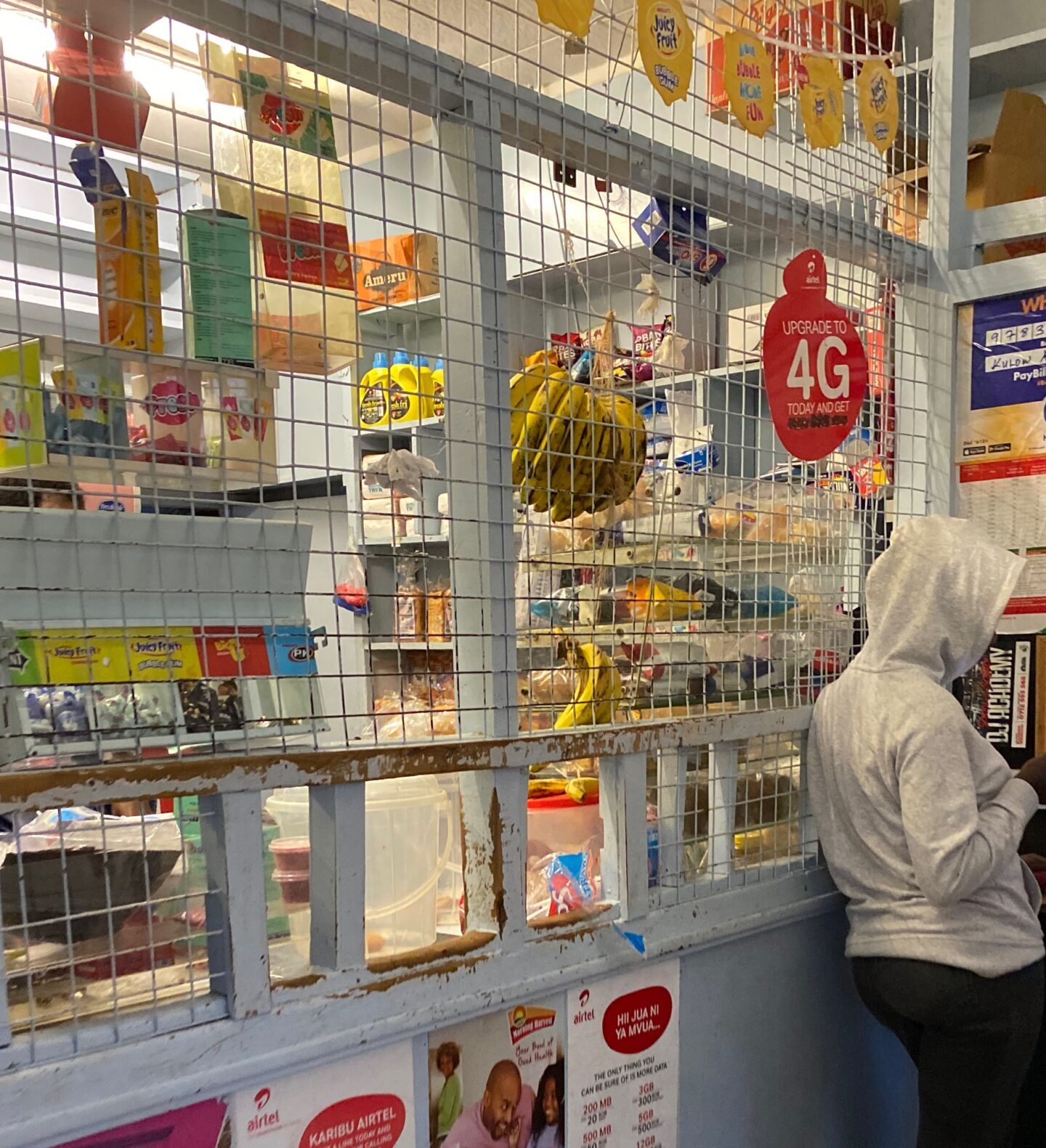
激狭な助手席に馬鹿デカスーツケースを置き、その上に座るという、早速ケニアな展開に心躍らせ、寮に到着。しかし、その日はもう金曜日の夜で、しかもまだ長期休み中。生徒どころか誰もいません。先生もスタッフも誰も月曜日まで来ないという。この部屋も一時的なものらしく、中はベッドが二つとテーブルが一つだけの簡素な作り。トラックのドライバーに飯食えるところはないかと聞くと、学校の食堂に連れて行ってくれました。鉄格子を挟んで食券を買い、鉄格子の隙間からご飯をもらうスタイル。まじケニア。
食券を買おうとしたところ、両替したばかりで大きい札しかない。お釣りがないから受け取れないと言われて途方に暮れていると、さっきのドライバーが代わりに食券を買ってくれました(彼には日本から持ってきたお土産を全部あげた)。鉄格子の隙間から、ビーフスープぶっかけご飯を受け取り、丸一日ぶりの食事。食にはこだわりはない方ですが、これが1年続くときついな、と思いながら食べました。
食堂を後にして、キャンパスを散策。購買っぽいところ(ここも鉄格子)でパンを買おうとするも、やはりお釣りがないからと大きい札を受け取ってくれない。諦めて歩いていたら、カンファレンス用らしきのデカめの会議場と宿泊施設みたいなところを見つけました。さっきの食堂とは全然違う雰囲気の食堂もあり、値段も高めでしたがお札を崩すにはちょうど良かった。翌日はそこで昼食をとり、小さいシリングをゲットし、購買でパンと水を買いました。
トイレとシャワーについては、シャワーというよりもはや行水。天井のパイプから滴る冷水で体を洗います。アフリカというと温暖なイメージがあるかもしれないけど、ナイロビは標高1800mに位置していて朝晩は冷えます。なるべくシャワーは昼に浴びたいけど、なぜかシャワー室に鍵がかかってしまう。おそらく清掃中だろうとは思うけど、何時間も開かない日もありました。トイレも6個ぐらい個室があったけど、そのうち5個は流れない。ここから、綺麗なトイレと温かいシャワー探しの旅が始まります。
月曜日、留学担当の人に会う予定でしたが、全然連絡が取れません。月曜日まで耐えたら、と思っていた私の考えの甘さに打ちのめされました。午後になってようやく連絡が取れて、明日10時に事務所で会おうという話になります。
翌日、事務所に向かいます。ん、ちょっと待って、事務所ってどこだ。ケニヤッタ大学のキャンパスはとにかく広い。今調べたら1100エーカー以上あるらしい(東京ドーム95個分。ほんまかいな。)そんな簡単には建物も見つかりません。電話で場所を教えてもらって、汗だくになりながら事務所を見つけると、鍵がかかっています。スタッフに「留学担当者は?」と聞くと、「多分ランチじゃないか、そのうち帰ってくるよ」と。
待つこと2時間。
ついにご対面。申し訳ないそぶりはいっさいなく、ようこそケニアへ、みたいな呑気さ。こっちは死に物狂いで週末を乗り越えたというのに。まあ、いいんですけど。入学手続きの話になり、自分でいろいろ回らないといけないということを聞かされる。それぞれの部署に行ってスタンプをもらって、寮の費用(半年分で約1万円)を払って持ってきて、と書類を渡される。ドイツからの留学生も一人いて、紹介してもらいました。その後、戦友になります。
この入学手続きがまた、厄介でしたね。それぞれの部署は歩いて30分以上離れているし、そもそも場所がわからない。いろんな人に聞いて回って、やっと辿り着いたら閉まっているなんてザラ。結局まるまる1週間かかりました。まるでRPG。
週末には、ドイツ人と生活用品の買い出しに出かけました。日本の大学から「バスには乗るな」と言われているのでUBERを呼んで近くのショッピングモールへ。めっちゃ立派な近代的商業施設。何これ。外の世界。こんなもん隠し持ってたかケニア。と、唖然としながら、蚊帳とかケトルとか諸々買って帰しました。
食事はもっぱら会議場の食堂。ドイツ人と日々の困難を語り合い、絆を深めていきます。が、聞くところによると彼女の寮は大学院生用で、なんと冷蔵庫があるという。なんだこの扱いの違いは。
今の寮は一時的なものだと言われたことを思い出します。新学期になったら移れるかもしれない。今の寮は半年で1万円だし、全然もっと払うなーと、思いながら、その日を心待ちにします。
履修登録も一筋縄ではいかないです。留学先の社会学部の建物に行くと、紙のファイルに授業コードが載っていて、外の掲示板に時間割が貼ってある、と言われました。時間割には授業コードで載っているので、まず紙のファイルで取りたい授業を探し、そのコードを控えて、外の時間割と照らし合わせないといけません。授業は1時間と2時間のクラスが週合計3時間あるので、やっとこさ取りたい授業を見つけても時間が被っていたりします。私は環境学部の授業も取りたいので、歩いて1時間くらい離れた環境学部の建物にも行って、そこの紙のファイルと時間割を照らし合わせ、社会学部の時間割とかぶっていない授業を見つけて登録しないといけません。履修登録だけで2週間くらいかかりました。
そんなこんなしている間に、キャンパスには学生が続々と戻ってきて、授業が始まったりしています。
ついに最初の授業日です。ワクワクしながら教室へ行くと、生徒が一人もいない空っぽ。あんだけ大変な思いして履修登録したのに、と落胆しながらその辺にいる生徒を捕まえて聞くと「知らない」と。そうだよね、ごめんね。
切り替えて、次の授業へ。今度は大教室に200人超えの生徒たち。マイクなしのケニアアクセントの先生、開け放しの窓からけたたましい鳥の声、タイルの床に擦れる鉄の椅子の金切り音。先生の声が何も聞こえません。それでも周りの生徒はしっかりノートに何か書いています。必死に話を聞いていると、授業の時間を変更したいと言っているらしい。あんだけ被りがないか必死にチェックした履修登録の意味とは。後から聞くとこれが普通らしいですね。先生と生徒の都合に合わせて柔軟に時間と会場を変えるそうです。最初の授業に誰もいなかったのも、そのせいだったのかもしれません。
授業終わり、困惑しているアジア人学生に、みんな興味津々です。おしゃべりして、友達ができて、キャンパスを出てすぐの学生街に連れて行ってもらいました。初めての外出に胸が高鳴ります。ただ現地の学生でも夕方5時以降は外に出ないらしいです。治安悪いって。そりゃ面接官も怒るわ。連れて行ってもらった食堂のご飯が、まあうまくて、以後ほぼ毎日ここで飯を食うことになります。学生街のプリント屋さんにも連れて行ってもらいました。みんな教科書はここで授業番号を伝えてコピー代を払ってプリントするらしいです。まじケニア。
この時点でもう1ヶ月以上経っています。コロナ強制帰国まで残り1ヶ月ですが、まだ知る由もないのです。
寮の担当者が来て、「正式な寮に移るよ」と念願の時が来ました。ドイツ人がいる近代的な建物に行くんだと、スーツケースをまとめて担当者についていく。と、思いきや、彼は隣の部屋を開けて、ここだ、と。まったく同じ部屋。ベッドが縦並びか横並びかの違いです。温水シャワーも冷蔵庫も洗濯機も、儚く夢と散りました。入ってきたのはポーランドからきたヒッピー留学生。リュックいっぱいのウォッカを出して、「これを配って単位もらうぜ」と。留学生という立場を利用して世界中を回っているらしいです。お前も飲もうぜ、って、朝まで二人で2瓶空けてぶっ倒れる、などしていました。
日本の大学からの繋がりの人たちに会いに行ったり、連れて行ってもらったカフェのハンバーガーと冷えたコーラに感動したり、何も聞き取れない授業をただ眺めたりしながら過ごしました。バケツを使った洗濯にも慣れました。温水シャワーもみつけました。寮から徒歩15分の辺りに学生用のトレーニングジムがあり、そこの更衣室のシャワーが温水でした。ただ、シャワーヘッドに電気で水を温める機械が配線丸出しでついていて、これ、感電するよな、と思いながら毎回命懸けでシャワーを浴びてました。
留学中、日本の大学の指導教員主催のケニア研修が来て、合流させてもらうことになりました。マサイの村で1週間、マサイの家族と共同生活です。日本から学生が二人来て、それぞれ別の家族のもとで1週間を過ごしました。土と牛糞でできた家で寝泊まりして、窓のない中で火を焚いてチャイを作りました。煙の逃げ場がなく、窒息寸前で起きて毎朝外に飛び出す毎日です。虫除けの意味もあるんだろうけど。
マサイは一夫多妻制です。飼われている牛たちは自分がどの奥さんの牛か把握していて、乳を絞ってくれと近づいてくるらしいです。かわいい。日中は放牧についていって、熱った身体を冷たい雨が流してくれます。夜は冷えた体を火で温めながらおしゃべり。とっても贅沢な時間でした。
国立公園にも連れて行ってもらいました。途中、バンがエンストして立ち往生。暗くなり、外にはライオン。中では、マサイの少年と恋バナで盛り上がる日本人学生。ヘルプがきて、村に帰って、ヤギの屠殺を手伝い、生肉を食ったら、腹を壊しました。トイレはありません。大地がトイレ。藪から動けず。近所の薬局にバイクの二人乗りで運ばれ、手の甲に点滴を打たれ、やたらカラフルな錠剤を飲んだら回復しました。そんな充実した生活を終え、ナイロビで行われた報告会で経験を発表し、日本人学生二人を空港で見送り、次会えるのは1年後ぐらいかなーとか言って別れたその夜、ケニアでコロナ感染者1人目が発見されました。
その時点でケニヤッタ大統領は、空港の封鎖、すべての娯楽施設・学校などの無期限閉鎖を宣言。寮に戻ると、ヒゲを綺麗に剃って誰だかわからなくなったポーランド人ヒッピーが、「ポーランドが閉鎖されたからフランス経由で帰れることに賭けて今日のうちに帰国する」と言って去り、ケニア国内のいろんな地域から来ていた学生たちも荷物を頭に抱えて続々と長距離バスに乗り込んでいく中、取り残される私。
できるだけ滞在させてもらえるように日本の大学とやり取りするも、外務省の渡航危険度レベルが上がって奨学金が止まるということで、やむを得ず帰国を決めました。が、便がない。日本の大学、指導教員、父親と常に連絡を取り合いながら、カタール航空、席あいた!片道40万、とりあえず取っとこ!エチオピア航空、空席でた!13万、こっちで取ろう!カタールキャンセルできるかな!できないかも!そんなやり取りをしながら、空港閉鎖当日、おそらく最後の便で無事日本に滑り込み帰国。
そして東京で足止めを喰らいます。大学から「公共交通機関は使うな」と言われるも、東京に知り合いはおらず、ホテルからご飯すら食べにいけない状態だったので、大学の担当者とちょっと喧嘩して、指導教員に宥められました。とりあえず飛行機で長崎まで帰っていいことになり、指導教員が自ら空港まで迎えに来てくれました(彼がつけてた手作りの布マスクの柄まで覚えてます)。そして、県内のホテルで隔離生活が始まります。同級生がフライパンとパスタとパスタソースをドアノブにかけておいてくれたりしながら、なんとか過ごしました。
隔離期間を終え、宮崎から母親が迎えにきてくれました。宮崎でコロナ期間を過ごすことになります。大学の授業はすべてオンラインに移行。オンライン飲み会をやったり、テレビで嵐の相葉くんがバイク乗ってるのを見たのをきっかけに、バイクの免許を取ってツーリングしたりしてました。
4年生から徐々にハイブリッド授業に移行されていきます。バイクで宮崎から長崎まで、雨と風に吹き飛ばされそうになりながら行き、1年生のときに住んでた寮で最後の大学生活が始まります。この1年が本当に充実してました。友達が古倉庫を自分たちで改築した溜まり場に毎日居座り、みんなで卒論と院試の勉強したり、就活してる友達を手伝ったり、夏はスイカ割りとBBQ、冬は鍋を囲み。行きつけのカフェで写真展を開催したり、それをきっかけに親しくなった写真屋さんでケニア写真展をやらせてもらったり。そこで出会った人たちのお店を巡ってひたすらおしゃべりしてました。
そして卒業。関西の実家に戻り、京都の大学の院生活が始まります。最初はそれなりに楽しかったけど、徐々にしんどくなっていき、念願のケニアリベンジを果たすも、それ以降の調査の目処が立たず、なんの成果もないまま、パン屋でバイトしながら時間とお金に追われ、一旦離脱することを決めます。
そして、冒頭で書いた通り、現在のオーストラリアに至ります。
長かったですね〜。ここまで読んでくれた人、いるのでしょうか。自分の備忘録にもなったので、誰も読んでなくてもいいや。オーストラリアでも相変わらずドタバタ劇ですし、これからもそうであり続けるんだろうと覚悟しています。
ご清聴ありがとうございました。
Hi, nice to meet you. I’m Kyosuke.
Right now, only people I know personally are aware this site exists — but I’m writing this absurdly long introduction on the off chance that someday, a total stranger wanders in. Fair warning: it’s really long. You might give up halfway through. Read at your own risk.
I’m currently living near the Gold Coast, Australia, working as a care worker while studying for a Master of Social Work.
This is my third year here (as of March 2026), though it was never the plan. I was supposed to return to Japan after 1 year. That became two, then three, and somehow here I am. The first two years were spent in Adelaide, South Australia, on a working holiday — at a chain conveyor-belt sushi restaurant, a lamb processing plant, a chicken processing plant, and a local café. Heavy on the “working” part of working holiday. But on days off, I went to church community events, did short trips with coworkers, and played badminton. It was good. Toward the end of year two, I started thinking about switching to a student visa, so I did a three-month aged care certification course — something that would let me earn decent wages even within the 24-hour weekly work limit. I was still on a leave of absence from a graduate program in Japan at that point. When I was accepted into a graduate program in Australia, I withdrew entirely from Japan.
That Japanese graduate program is what brought me to Australia in the first place. I was doing fieldwork research on a minority group in Kenya, it wasn’t going well, and under the weight of pressure and illness, I decided to step away. With little preparation, I got on a plane to Australia. For my mental health, mostly.
I lived in Thailand from third grade through ninth grade — seven years, international school — so English wasn’t a worry. Though I should clarify: the first two years, I couldn’t say a word and cried constantly. It was only in year three that I started to find my footing. I like to think those hard years are paying off now. Getting into an Australian graduate program required IELTS Academic scores of 7.0 or above in every section, which took serious focused study. Even now, working in aged care, I’m reminded daily that there’s more English to learn.
Coming back to Japan for high school, I couldn’t write my own name in kanji. Seven years of Japanese education had passed by. I spent the first year attending a cram school for thirteen hours a day, cramming it all in to pass the high school entrance exam. It worked — barely. But a patched-together foundation doesn’t hold for long, especially after enrolling in a science-track school with dreams of becoming a veterinarian. I fell behind quickly. I went into university entrance exams knowing I’d probably need two attempts, and spent those years studying, working a morning shift at a hotel breakfast buffet, and eventually studying independently at my grandmother’s house in Miyazaki. Cleared the preliminary cut. Didn’t get in.
So I turned toward becoming a vet overseas, saved money working as a hotel bellboy in Osaka, and went to Finland. A Finnish neighbour had been teaching me the language in the meantime.
Why Finland? When I decided to pursue veterinary medicine abroad, there were three options. Thailand, where I’d lived for seven years — familiar, cheap, lots of connections — but Thai veterinary licenses aren’t recognised outside of Thailand. In English-speaking countries like the US or Australia, tuition was prohibitively expensive (though looking back, it might have been cheaper in the long run). And Finland, where I had family connections, the European qualifications transfer, and, crucially, university tuition was free for international students too.
So I just went.
Through family connections, I first landed in Varpaisjärvi — a village six hours by train from Helsinki, where “seeing your neighbour’s house counts as the city.” Everything was snow. I stayed with an elderly couple, helped out at the local church, joined a band as their ukulele player, and taught Japanese calligraphy at a local elementary school. The husband of the house only spoke Finnish. Through broken Finnish and gestures, I gathered that he was an inventor working on a heating system for the entire town.
Various complications followed, and a month later, I moved to Helsinki. University in Finland is free, but requires a certain level of Finnish, so I was attending language school while trying to figure out a path to veterinary medicine. My tourist visa had a three-month limit. Just before it ran out, I found out about a boarding school for immigrants — middle and high school level, nothing to do with veterinary studies — but the application was simple, and I was accepted almost immediately. Then came the challenge of switching to a student visa. I went directly to the local police station and the immigration office to negotiate in person. Technically, you’re supposed to apply from Japan before entering, but since I was already there, they let me apply for a switch. The catch: “We don’t know how long it’ll take, and you can’t leave the country while you wait.”
I was already three months into what was supposed to be a three-month trip, and running out of savings. I applied anyway.
My visa had expired. The only proof of my right to stay was a single sheet of paper written entirely in Finnish. No work allowed. Looking back, it was a genuine tightrope walk.
And so began what I can only describe as a semi-homeless period. To save money, I ate as little as possible — a one-euro slice of pizza from a basement shop, stretched over several days. A single fast food burger. Sometimes just a tomato, eaten whole from the supermarket. About a week into that diet, mouth sores would appear on cue. That became my signal to head to a soup kitchen near Vanha Kauppahalli and get something with actual vegetables.
No money, but plenty of time. It was around June, and school wouldn’t start until September. I walked around lakes, sat on benches, and read Comet in Moominland in Finnish. Made a few friends — got invited to house parties, shared meals. Moved between acquaintances’ apartments.
But there’s a limit to how long that can remain sustainable. One day, I had an overwhelming craving for Japanese food and decided: I’ll eat Japanese food, then go home. The fact that I was going to eat Japanese food in Finland before returning to Japan, where it’s everywhere, tells you something about my mental state at the time. A mutual acquaintance pointed me toward a Japanese restaurant, and when I explained my situation, I learned the entire staff were Christians. They invited me to their Wednesday Bible study — dinner included — and eventually I was there almost every day.
That’s how I made it to September 1st. The day school started. The staff and friends I’d made threw me a small farewell gathering and packed onigiri for the train. A new chapter is beginning. I won’t have to worry about food or shelter anymore. I arrived at the school in Lapinlahti, settled into the dormitory, and went to greet the principal.
Then my phone rang. Helsinki police. “Your visa result is ready. Come in.”
“I’m in Lapinlahti, six hours away. Can you tell me over the phone?”
“We can’t do that.”
So I left my bags and made the six-hour trip back. Stayed the night. Went to the police the next morning.
Visa denied. “You can appeal, or leave the country within one month.”
I stood there, and everything went white.
I’d been optimistic — a Japanese student in the same situation had received a visa before. But this was 2015. Refugees from the Middle East were arriving in Europe in large numbers. In Finland, towns of a thousand people were seeing tens of thousands of migrants. Anti-immigration sentiment was rising. The government had changed. Visa scrutiny had tightened.
I still had to go back to Lapinlahti to get my bags.
On the way back from the police station, I stopped by everyone I knew in Helsinki and explained what had happened. I’d had a farewell party the day before. Now I was showing up the next day looking like a ghost. “Everyone’s watching ice hockey right now, just go with them,” someone said. I watched ice hockey in a daze. Then, I made the six-hour trip back to Lapinlahti, explained everything to the principal in Finnish (I caught maybe forty per cent of his response, but I think he was encouraging), and then turned around and made the six-hour trip back to Helsinki the same night.
Twenty-four hours of travel in two days.
That night was September 2nd. My birthday. Someone pointed it out. Friends who’d just said goodbye invited me to dinner.
They suggested I do a bit of sightseeing before leaving — I hadn’t done any. So I spent a week in Tampere. It was wonderful.
Then I went home, profoundly unfinished.
Still not ready to give up on veterinary medicine, I gave myself one more year in Japan. Started studying again. But it was a transitional period between old and new curricula, and material I’d never been taught was appearing on exams. I couldn’t afford a prep school, so I took a 6am–12pm shift at Kansai Airport helping with newly introduced immigration machines, ate at McDonald’s from noon to 1, then attended a local cram school from 1 to 10.
Six months of that. My body gave out. I let go of veterinary medicine.
Someone suggested I look at other universities since I’d already been studying. I found a newly established faculty at a university in Nagasaki — an interesting curriculum, and an entrance exam consisting only of a critical thinking test and English. If they’re asking questions like that, I thought, I might be able to manage, even if everyone else is younger. I applied. Got in. Four years in Nagasaki began.
First year, mandatory dormitory for everyone — even students whose family home was ten minutes away. Communal meals, walking to class together every morning, and constant noise every night. Everyone else was basically a teenager. I kept a respectful distance from certain situations, but found my footing.
The faculty was a mix of everything — economics, law, religion, anthropology, sociology, linguistics, international relations, and media studies. Endless. What struck me most were the lectures by two professors who were conducting anthropological fieldwork in Africa. I ended up joining both of their seminars in my second year.
The first year also included a mandatory month-long language exchange abroad. Most people went to Australia, Canada, the US, the UK. Students with sufficient English proficiency could substitute a language exchange in the country of their second language choice. I was studying German, so I went to Freiburg. While everyone else went to English-speaking countries over spring and summer break and came back noticeably closer to each other, I stayed behind in a quiet dormitory, then watched everyone return as better friends. I was envious.
But Freiburg was great. What struck me first was how systematic everything was. Check in at the main office, receive a map of the dormitory, a key, and a full set of supplies. The city itself was designed like a campus — you took the tram to your dormitory following the map, which naturally taught you the city’s layout and transit system. Thoughtfully designed. I arrived at an apartment-style dormitory, greeted my housemates, explored the neighbourhood, and ate currywurst by a large lake.
I tested into the absolute beginner German class. There were about 10 other students from Japan, but I didn’t spend much time with them — instead, I became close with people from the US, Spain, France, Australia, and Nagoya. We stayed out until midnight in beer gardens, warm drinks in hand, talking about life, books, pain, and first loves. All in English, so my German didn’t improve at all. But I think what I got was worth more than language skills. We tried to keep meeting online after returning home, but coordinating time zones across very different longitudes eventually became too complicated. I wonder how they all are.
Back in Japan, I started preparing for a formal exchange program. I wanted to go to Kenya. But there was no precedent for it from my faculty, so the odds were low. Eventually, I found a way through a medical faculty’s exchange quota — but the paperwork was enormous, and there was an interview.
I asked my supervisor how to prepare. “Don’t worry,” he said, “it’s not as dangerous as people think.”
I took that at face value. I walked into the interview completely unprepared.
The panel included senior faculty from across the university. The questions about my academic motivation went fine. Then the conversation turned to safety.
“My supervisor said it would be fine,” I said, honestly.
The atmosphere shifted. One by one, every interviewer weighed in. I won’t use the word “humiliated,” but it was close. By the time someone asked, “What would you do if you were kidnapped?” I had mentally accepted that Kenya was not going to happen. (For the record: if you’re kidnapped, there’s not much you can do regardless of where you are.)
I reported back to my supervisor. He was furious. He went directly to the international programs office. The result: a second interview. This time, I came with a full safety protocol — daily schedule and estimated return time sent each morning to the university, my supervisor, and local support staff; a nightly confirmation email; my supervisor personally travelling to Kenya if I was unreachable for 24 hours; no buses; minimal time off campus. The second interview passed. I was going to Kenya.
January 2nd, 2020. I landed at Jomo Kenyatta International Airport in Nairobi.
A whole year here. Wildlife everywhere. This is it.
Sharp-eyed readers may already see where this is going. Approximately seven weeks later, I was on a plane home.
(In transit through Addis Ababa, I remember seeing early COVID news on an airport television. I had no idea it was about to become my story too.)
At the airport, I looked for the university contact who was supposed to meet me. No one. I exchanged money, bought a SIM card, and sent a message saying I’d arrived. Called the number I’d been given for the Kenyan university. No answer.
An hour of waiting. Finally, a call: “You’re there? We’ll come get you.” Casual. Unhurried.
Two more hours. A pickup truck with the university logo arrived. I moved to load my suitcase into the back. “Don’t,” the driver said. “It’ll be stolen at a red light.”
Very Kenya.
I sat in the passenger seat with an enormous suitcase in my lap and arrived at the dormitory. It was Friday night, and the long holiday wasn’t over yet. No students. No staff. Nothing until Monday, I was told. The room had two beds and a table. The driver took me to the cafeteria, which was separated from the serving staff by iron bars. You bought tickets, received food through a gap in the bars.
I tried to buy a ticket, but I only had large bills. No change, they said. The driver paid for me. (I gave him every souvenir I’d brought from Japan.)
Through the iron bars: beef soup over rice. First meal in over a day. I don’t have particular standards about food, but I thought: if this is every day for a year, it might be hard.
After dinner, I explored the campus. Tried to buy bread at what seemed like a campus shop — also behind iron bars — but again, large bills, no change. Eventually, I found a conference centre with a slightly upscale cafeteria attached. Bought something there, broke my bills, returned the next day for small coins, and finally bought bread and water.
Shower facilities: a pipe in the ceiling. Cold water dripping. Nairobi sits at 1,800 metres, so mornings and evenings are genuinely cold. The shower room was often inexplicably locked for hours. Of the six toilet stalls, five didn’t flush. The search for a warm shower and a working toilet became one of the organising quests of my time there.
Monday came. I was supposed to meet the exchange coordinator, but couldn’t reach anyone until the afternoon. “Let’s meet tomorrow at 10 in my office.” The next morning, I looked for the office. Kenyatta University’s campus is over 1,100 acres — apparently the equivalent of 95 Tokyo Domes, which seems impossible but is what the internet says. I eventually found the building, sweating through my clothes. Door locked. “The coordinator? Probably at lunch. She’ll be back eventually.”
Waited two hours.
When she arrived: no apology, just a cheerful welcome to Kenya. I had survived the weekend through sheer necessity. She explained I’d need to visit various offices myself to complete enrolment — get stamps, pay six months’ dormitory fees (about 10,000 yen), and bring the receipts back. Here’s the paperwork.
There was also a German exchange student. She introduced us. He became a wartime ally.
Enrolment took a week. Each office was a thirty-minute walk from the others, and often closed when I arrived. It felt like an RPG.
On the weekend, the German student and I went to buy supplies. No buses — university policy — so we called an Uber to the nearest shopping mall. A gleaming, modern commercial complex. Air conditioning. Escalators. This was here the whole time? We bought mosquito nets, a kettle, various necessities, and went back.
Eventually, classes started. I arrived at my first scheduled classroom. Empty. Found a passing student. “Do you know about this class?” “No.” Fair enough.
Next class: over 200 students in a large hall, no microphone, Kenyan-accented English, birds screaming through open windows, iron chairs scraping tile floors. I couldn’t hear anything. The students around me were somehow taking notes. Straining to listen, I gathered that the professor wanted to change the class time. After everything I’d gone through to register for the right slots without conflicts. Apparently, this was normal — professors and students coordinate flexibly to reschedule around everyone’s needs. The empty classroom earlier may have been the same phenomenon.
After class, curious classmates surrounded me. We talked, made friends, and they brought me to the student area just outside campus. First time off-campus. My chest was pounding. Locals didn’t go out after 5 pm, I was told — too dangerous. Well, no wonder the interview panel was alarmed. The food at the restaurant they took me to was genuinely good. I went back almost every day. They also showed me the campus print shop, where students provided a course number and paid for photocopied course materials. Very Kenyan.
By this point, more than a month had passed. One month until forced evacuation — though I didn’t know it yet.
My supervisor from Japan organised a research trip to Kenya, and I joined. A week living with a Maasai family in a Maasai village — me in one family, two Japanese students in another. We slept in houses made of earth and cattle dung, made chai over a fire in a room with no windows. Every morning, I woke up near-asphyxiated from the smoke and stumbled outside. (I was told this also keeps insects away.)
The Maasai practice polygamy. The cattle, I was told, know which wife’s herd they belong to and approach her to be milked. I find this very endearing. Daytime: following the herd on foot, rain cools a body heated by the sun. Night: warming by fire and talking. It was a genuinely rich way to live.
We were also taken to a national park. The van broke down after dark. Outside: lions. Inside: Japanese students discussing their romantic lives with a Maasai boy.
Help eventually came. We returned to the village. I helped slaughter a goat, ate raw meat, and was violently ill. No toilet. The land is the toilet. I couldn’t move far from the bushes. A motorbike took me to a local pharmacy, an IV went into the back of my hand, brightly coloured pills were administered, and I recovered.
The experience concluded with a presentation at a conference in Nairobi. I said goodbye to the two Japanese students at the airport, something like “See you in about a year, I guess.” That night, Kenya announced its first confirmed COVID-19 case.
President Kenyatta declared the airports closed, all schools and public facilities shuttered indefinitely. Back at the dormitory, my Polish hippie roommate — who had somehow shaved completely and become unrecognisable — announced he was leaving that night: “Poland is closed, I’m betting on getting out through France.” He left. Students from across Kenya piled their belongings on their heads and boarded long-distance buses. I was left behind.
I negotiated with my university in Japan to stay as long as possible, but when the Ministry of Foreign Affairs raised the travel risk level and my scholarship was suspended, I had no choice. Finding a flight was its own crisis — Qatar Airways had a seat, 400,000 yen one-way, should I take it? Ethiopian Airlines had something for 130,000 yen, get that one instead, can we cancel Qatar? — all while coordinating with my university, my supervisor, and my father simultaneously. On the day the airport closed, I made it onto what was likely the final departure.
I was stranded in Tokyo. The university told me not to use public transport. I didn’t know anyone in Tokyo. I couldn’t leave the hotel to get food. I had a minor argument with the university administrator, got mediated by my supervisor, and was eventually permitted to fly to Nagasaki. My supervisor came to the airport himself to meet me. (I still remember the pattern of the handmade cloth mask he was wearing.) I went into hotel quarantine. A classmate hung pasta, pasta sauce, and a frying pan on my door handle.
After quarantine, my mother drove from Miyazaki to pick me up. I spent the COVID period there. The university moved entirely online. I had virtual drinking parties, was inspired by a TV programme featuring a celebrity riding a motorbike, got my motorcycle licence, and went on rides.
From my fourth year, hybrid classes gradually resumed. I rode my motorcycle from Miyazaki to Nagasaki through rain and wind, and moved back into the same dormitory where I’d started as a first-year. That final year was the best. Friends had converted an old warehouse into a hangout space, and we were there every day — thesis writing, graduate school exam prep, and helping job-hunting friends. Watermelon smashing and barbecues in summer, hot pot in winter. We held a photography exhibition at a regular café, which led to a friendship with the owner of a photography shop, who let me hold a Kenyan photo exhibition there. I met people through that and spent months just going around to their shops and talking.
Then graduation. Back to the family home in the Kansai region. A graduate program at a university in Kyoto. It was good at first, then gradually became harder. I finally made it back to Kenya — the long-awaited return — but the research after that had no clear path forward, and I found myself with no results, working part-time at a bakery, running out of time and money. I decided to step away.
And that’s how I ended up in Australia, as I mentioned at the beginning.
That was long. Is anyone still here? This has also served as a record for myself, so it’s fine either way. Life in Australia has been just as chaotic, and I expect that to continue.
Thank you for reading.